

ABOUT ME
Adam Cogan is the Chief Architect at SSW, a Microsoft Certified Gold Partner specializing in custom .NET, SharePoint, Business Intelligence, and CRM solutions. At SSW, Adam has been developing custom solutions for businesses across a range of industries such as Government, engineering, banking, insurance and manufacturing since 1990 for clients such as Microsoft, Worley Parsons and Aurecon.
MY VIDEOS ON SSW TV

Vibe Coding is fast, but is it Enterprise Ready? | Adam Cogan | SSW Rules
Vibe coding is transforming software development, allowing developers to build features in minutes instead of days. But does faster coding mean better software?
In this SSW TV episode, Adam Cogan explores the excitement and hidden challenges of AI-powered development. Using a Formula 1 analogy, he explains why speed alone isn’t enough when navigating the complexities of architecture, security, testing, and maintainability.
Discover how enterprise vibe coding, or AI-assisted engineering, combines the speed of AI with the right architecture, context, and guardrails to build reliable, maintainable software.
🚀 Enjoy the speed, but don’t forget the corners!
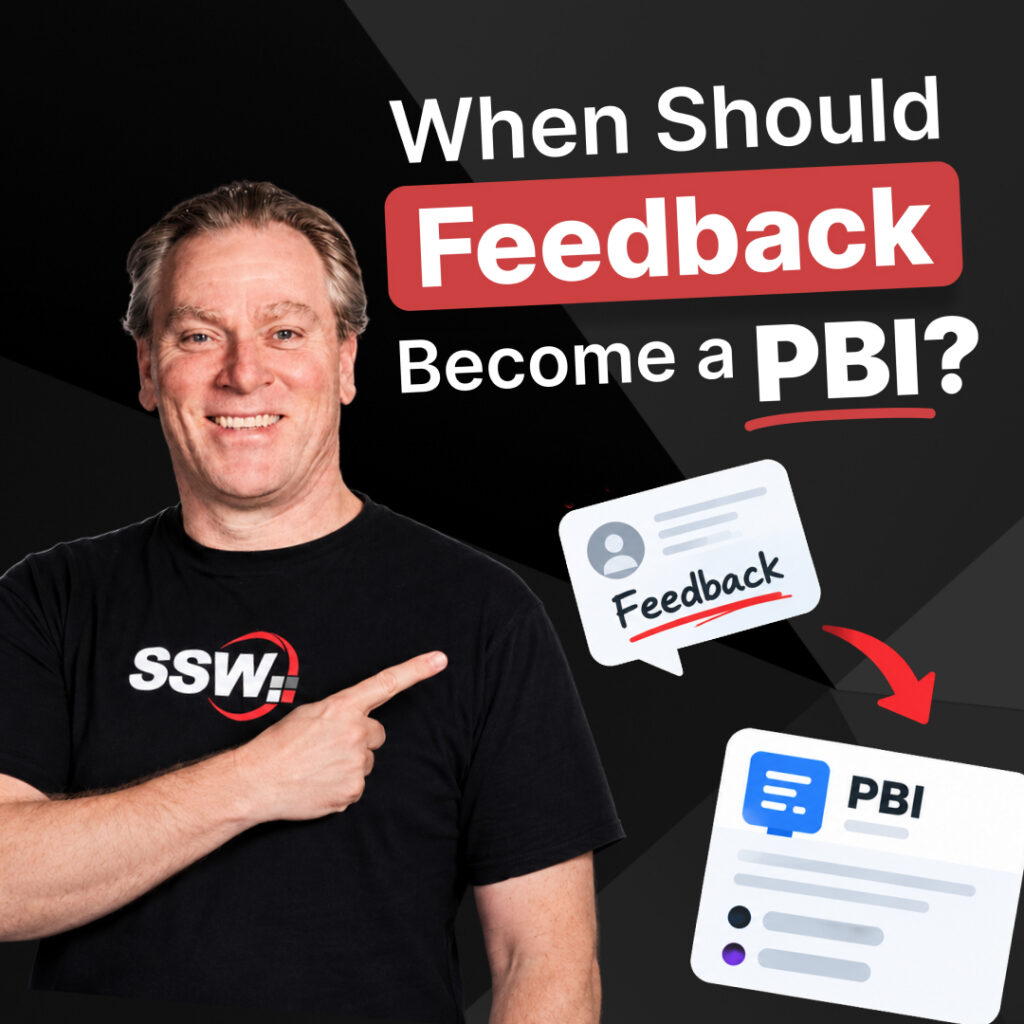
When Should Feedback Become a PBI | Adam Cogan
When giving feedback on software, should every suggestion become a Product Backlog Item, or are some changes too small to bother?
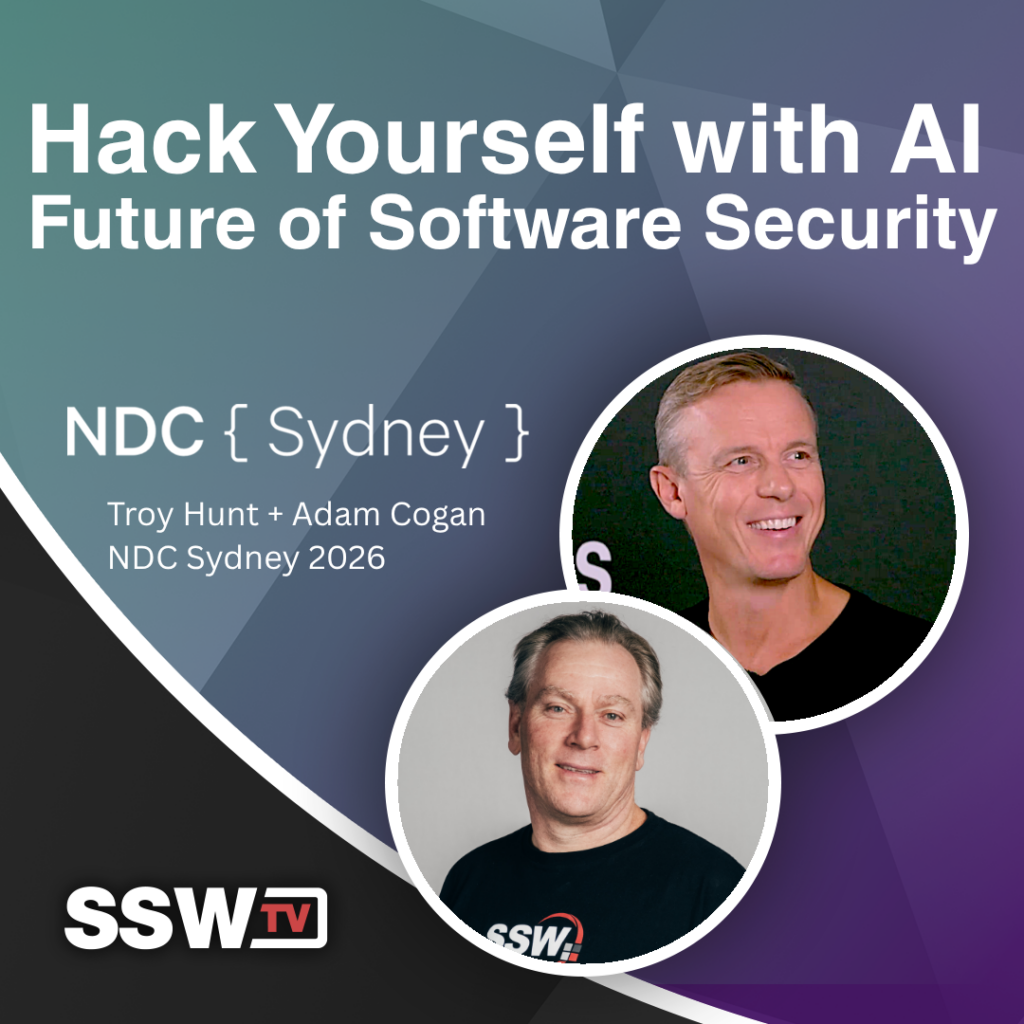
Hack Yourself with AI: Troy Hunt on the Future of Software Security | Adam Cogan | NDC Sydney 2026
Troy explains why the security standard set by human-written software may not be particularly high—and why AI could become better at avoiding common vulnerabilities such as SQL injection.

Microsoft Teams Etiquette: Simple Habits That Make Meetings Better | Adam Cogan
Whether you’re working remotely or in the office, small habits can make a huge difference in Microsoft Teams meetings.

Treat Your Code Like Uranium | Adam Cogan
Adam Cogan shares a striking story comparing two World War II factories—one ordinary, one handling uranium—and the surprising lesson that the uranium workers lived longer because they followed disciplined, risk-aware practices. He connects that idea to software teams: the best outcomes come from careful habits like automated tests, telemetry, pull requests, retrospectives, shared rules, and good tools. The message is simple: treat software delivery with the same respect as dangerous work, and you’ll reduce stress, avoid chaos, and get better results.

