Talk #1 – Kanban for Developers

There is much hype about Kanban since it was perfected and introduced to the world by Toyota. Since then, not only manufacturers but all businesses looked into this simple but extremely powerful approach.

As software developers are yearning for better project management and visibility on all aspects of their work, Kanban naturally blipped on their radar.

In this video, you will see the look at the origins of Kanban, how it applies to software development along with misunderstandings and myths. You will also see TJ compare manufacturing practices with software development techniques and how you can benefit from their experiences. By the end of the session you will have a better understanding of Kanban and how to become more efficient and productive by limiting the amount of work you do.

Talk #2 – Kaizen: Continuous Process Improvement

Enterprises can utilize Process Improvement to improve their workflow, allowing them to be more efficient, eliminate bottlenecks and problem areas, and as a result, achieve reduced costs, on-time delivery and increased profits. Currently, enterprises are facing stiffer competition to win customer acceptance through quality, and the need to develop more customer-oriented products and services faster than ever before.

Einstein said “We can’t solve problems by using the same kind of thinking we used when we created them.”, and that is what lies at the heart of Kaizen. Improvement comes with a different look at the problems and doing this continuously every day and everywhere. It is more of a company culture than a project.

But where do we start improving? British comic writer Douglas Adams said “See first, think later, then test. But always see first. Otherwise you will only see what you were expecting.”. And that is exactly where we start. By looking deep into our workflow and process.

In this video, you will see the Kaizen philosophy, why change is important and very hard to do. Also we will analyze waste and why it is bad for our business and how a quality-first approach makes us better at what we do. TJ also provides some test cases and finishes off by looking at how to implement a Kaizen culture at the office by involving everybody.

Take the Quiz!

[WATUPRO 18]

About the speakers

About the speakers

Mr Kanban

TJ Gokcen is the Chief Software Architect at codebyts, leaders in software and process improvement consultancy.

TJ worked for large manufacturing companies in Europe, implementing software programs to automate systems and processes. TJ has designed and implemented customized software solutions for Fortune 500 companies in the USA, Europe and Australia.

He is a big advocate of Kanban and Kaizen and Process Improvement and more recently he co-developed codebyts' latest process improvement approach, Kaihen.

Related videos
Related videos

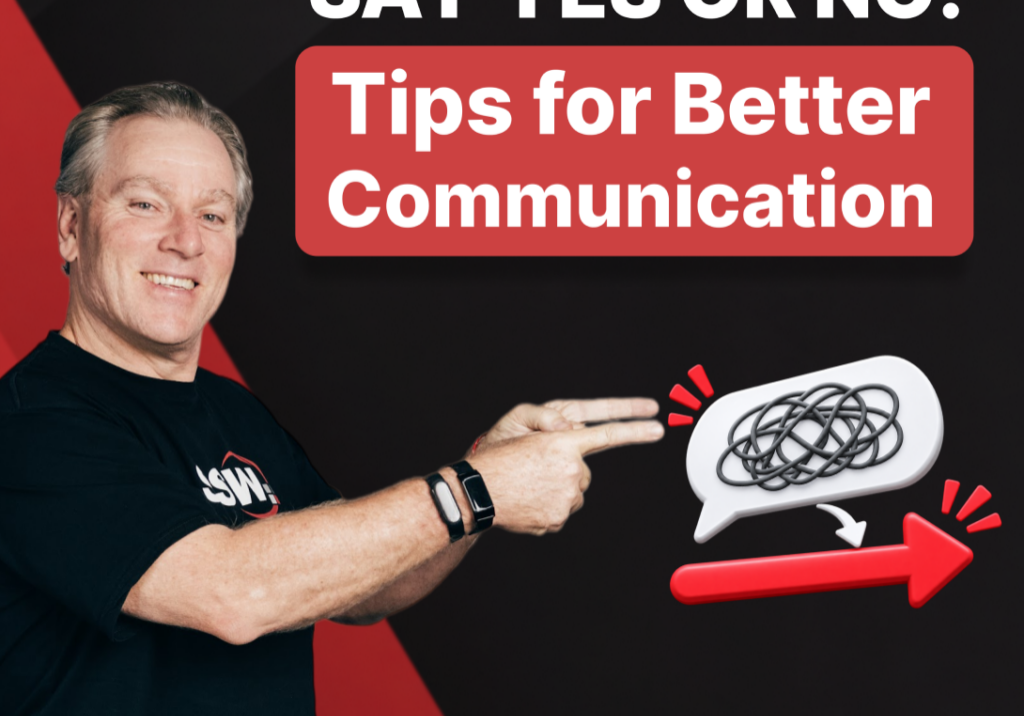
Just Say Yes or No! 3 Tips for Better Communication | Adam Cogan | SSW Rules

When someone asks you a simple question, do you give a straight answer or jump into explanations?
In this video, SSW’s Adam Cogan shares 3 practical tips for communicating clearly and handling feedback professionally.
Discover why starting with a direct “Yes” or “No” avoids confusion, how acknowledging mistakes builds trust, and why becoming defensive or sarcastic only makes difficult conversations worse.

Whether you’re working with clients, colleagues, or your team, these small changes can help you communicate with confidence, take ownership, and keep conversations productive.

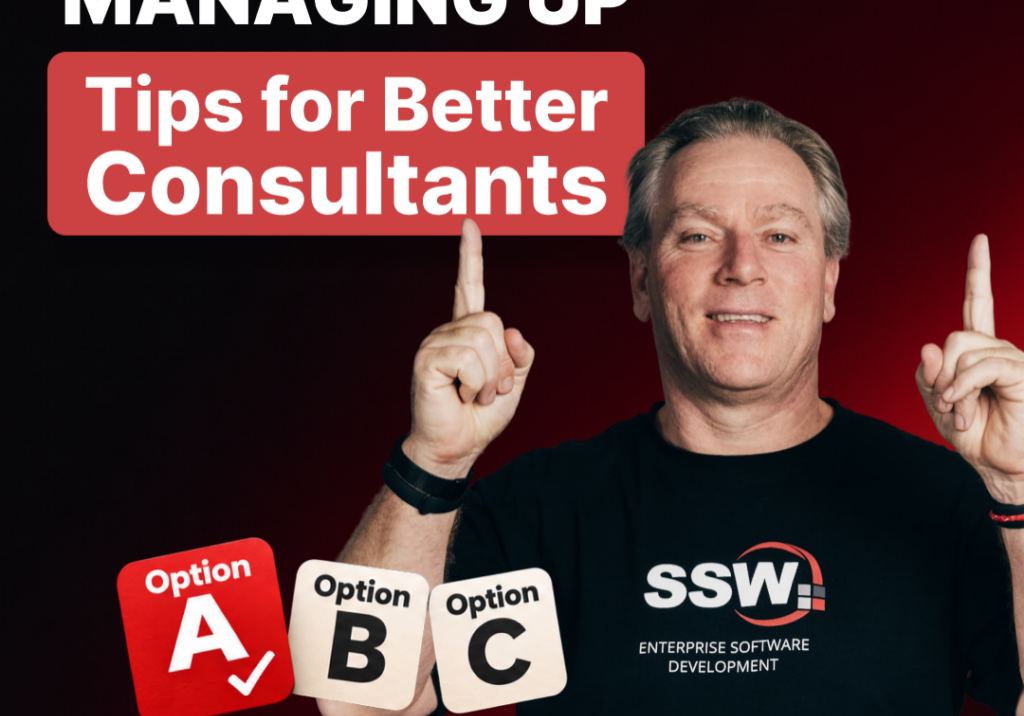
Want to be a better consultant? Master the art of managing up | Adam Cogan | SSW Rules

Want to become a better consultant and accelerate your career? Stop bringing problems to your manager and start bringing solutions!

Join SSW’s Adam Cogan in the beautiful city of Strasbourg, France, as he shares practical tips on managing up, a skill that helps you become more proactive, build trust with your manager, and make better decisions.

Adam explains why presenting options with a clear recommendation is far more effective than simply asking your manager what to do. Using real-world consulting examples, he demonstrates how to evaluate resource decisions, communicate your preferred solution, and help managers make faster decisions.

You’ll also discover how to manage up when you’re CC’d on an important email. Instead of waiting for your manager to ask for advice, learn how to proactively draft a suggested response, share your expertise, and save valuable time.

Whether you’re a developer, consultant, architect, or team leader, these simple habits can help you take ownership, demonstrate initiative, and grow professionally.

Takeaway: Don’t just identify the problem. Present the options, recommend the best one, and explain why.

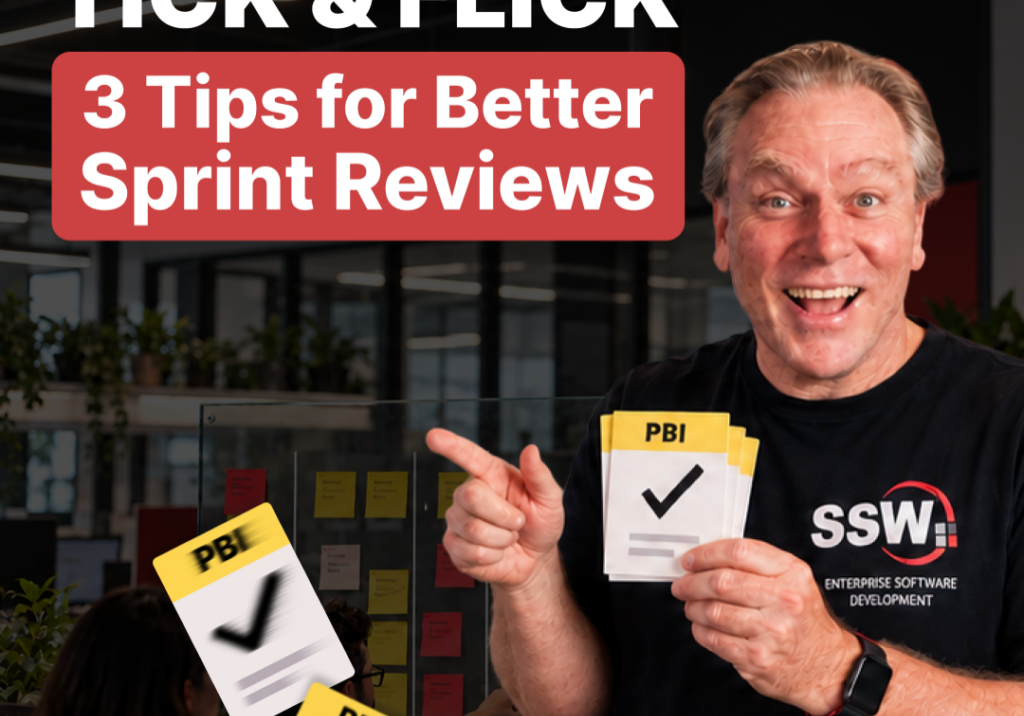
Tick and Flick! 3 tips for better Sprint Reviews | Adam Cogan | SSW Rules

Want better Sprint Reviews? Adam Cogan shares 3 practical tips to keep your reviews short, engaging, and valuable. Learn how to use the “tick and flick” approach, involve stakeholders, and turn feedback into action.

Vibe Coding is fast, but is it Enterprise Ready? | Adam Cogan | SSW Rules

Vibe coding is transforming software development, allowing developers to build features in minutes instead of days. But does faster coding mean better software?

In this SSW TV episode, Adam Cogan explores the excitement and hidden challenges of AI-powered development. Using a Formula 1 analogy, he explains why speed alone isn’t enough when navigating the complexities of architecture, security, testing, and maintainability.

Discover how enterprise vibe coding, or AI-assisted engineering, combines the speed of AI with the right architecture, context, and guardrails to build reliable, maintainable software.

🚀 Enjoy the speed, but don’t forget the corners!

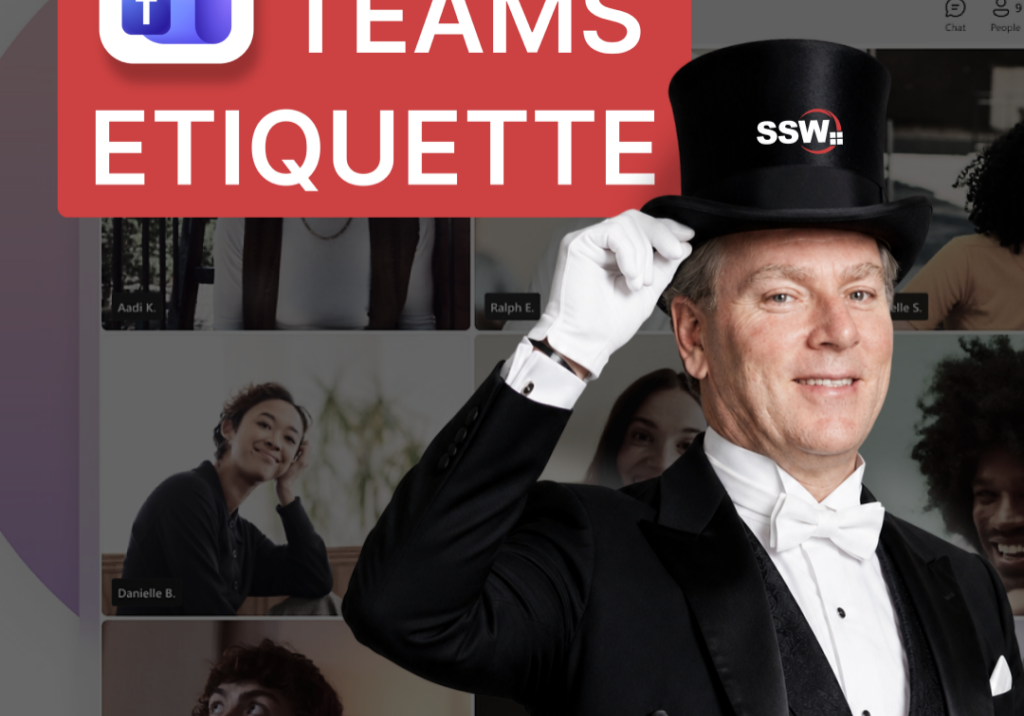
Microsoft Teams Etiquette: Simple Habits That Make Meetings Better | Adam Cogan

Whether you’re working remotely or in the office, small habits can make a huge difference in Microsoft Teams meetings.

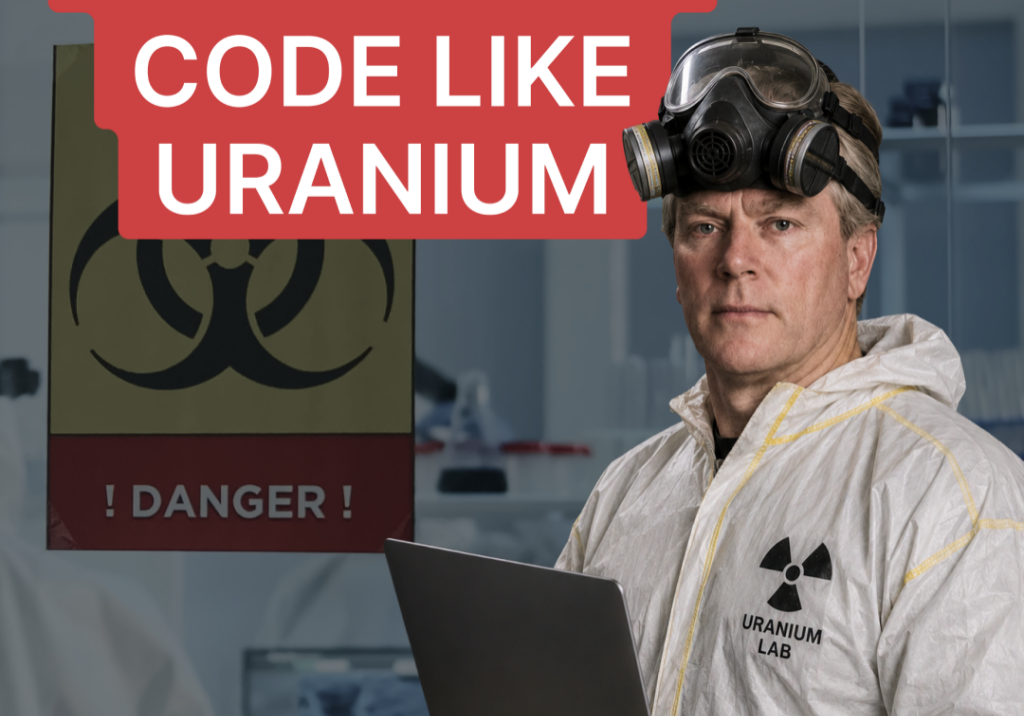
Treat Your Code Like Uranium | Adam Cogan

Adam Cogan shares a striking story comparing two World War II factories—one ordinary, one handling uranium—and the surprising lesson that the uranium workers lived longer because they followed disciplined, risk-aware practices. He connects that idea to software teams: the best outcomes come from careful habits like automated tests, telemetry, pull requests, retrospectives, shared rules, and good tools. The message is simple: treat software delivery with the same respect as dangerous work, and you’ll reduce stress, avoid chaos, and get better results.

3 Tips for Better Video Recordings | Adam Cogan

Great coaching can dramatically improve how you present, communicate, and learn. In this video, Adam Cogan shares 3 practical coaching tips that SSW uses every day—from onboarding and role plays to improving video delivery. He explains why having a coach matters, why immediate interruption beats delayed feedback, and how repeating corrections helps lock in better habits.

TinaCMS + Fumadocs: Bring Visual Editing to Your Docs | Hark Singh

Discover how to connect Playwright with AI agents and unlock powerful workflows.

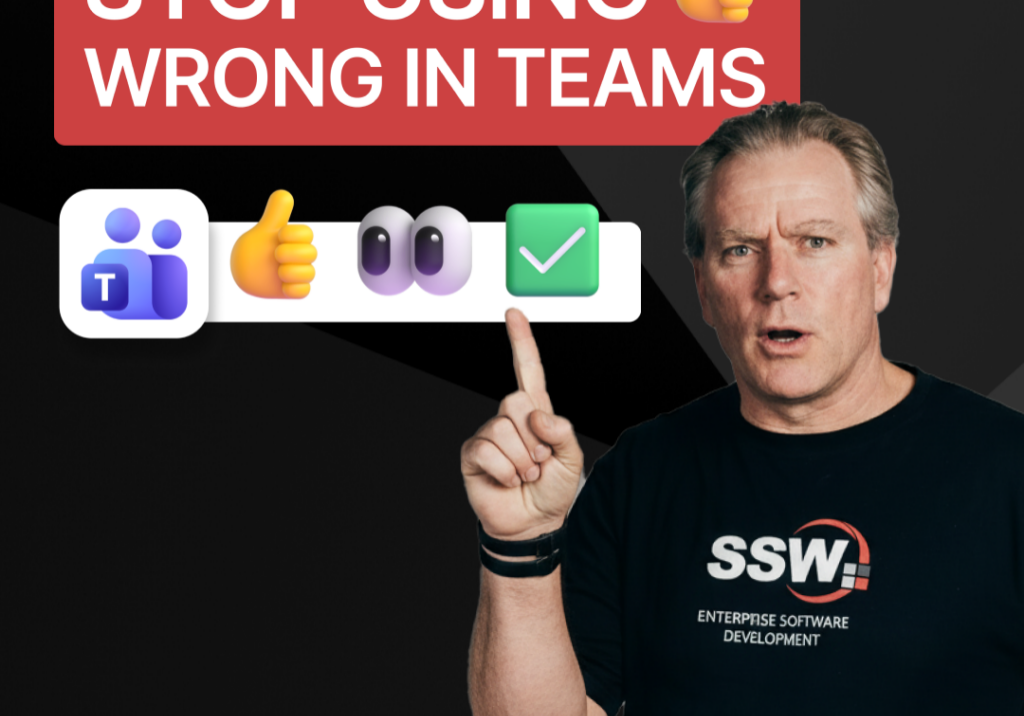
Stop Using 👍 Wrong in Teams | Adam Cogan

A quick communication tip from Adam Cogan: don’t use 👍 as a catch-all response when someone assigns you a task in Teams, Slack, or Google Chat. In the example Adam gives, if a task will take about five minutes, a thumbs up is too ambiguous because it does not clearly say whether you’ve read it, agree with it, are doing it now, or will do it later. Instead, use 👍 for agreement, 👀 to show you’ve seen the task and are actively working on it, and then replace 👀 with ✅ once the task is done. It is a small change, but it removes ambiguity and cuts down unnecessary follow-up messages.

How to record a done video in SSW | Sylvia Huang | SSW Rules

Sylvia Huang from SSW shares her SSW Cultural Exchange experience from Hangzhou, China to Australia